Source mechanical bicycle brake cable for Mountain Road Kids Bikes
Compare 30 listings for mechanical bicycle brake cable options suitable for mountain, road, and kids bikes. Buyers can review specifications like cable length, material composition, and customization availability from verified suppliers in China.
Key considerations
Products List
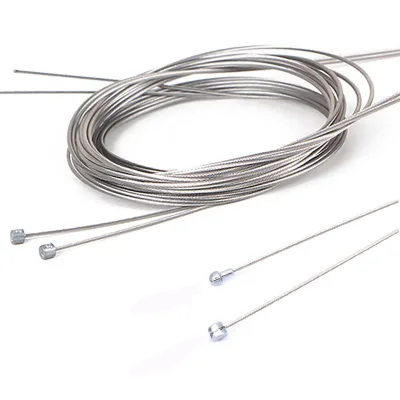


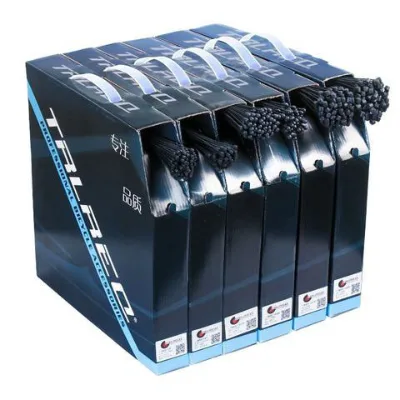


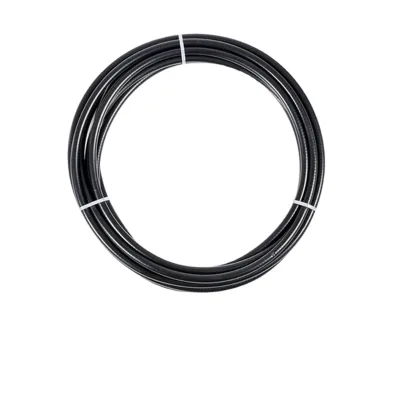
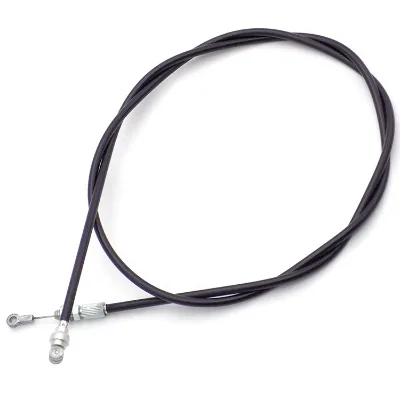
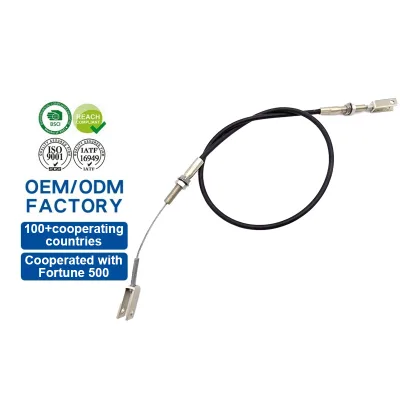

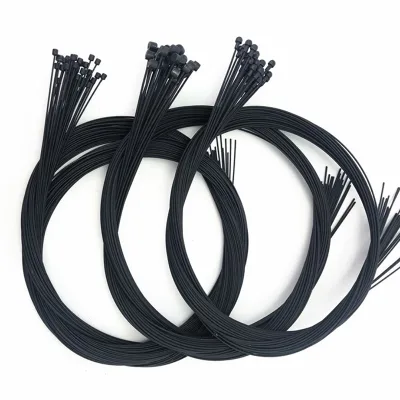
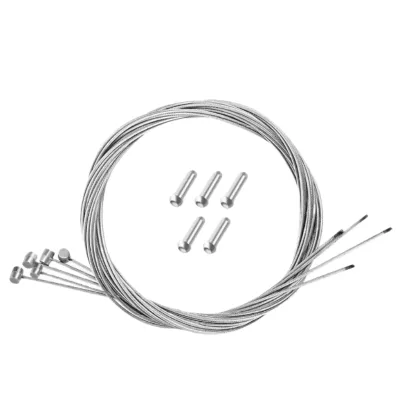
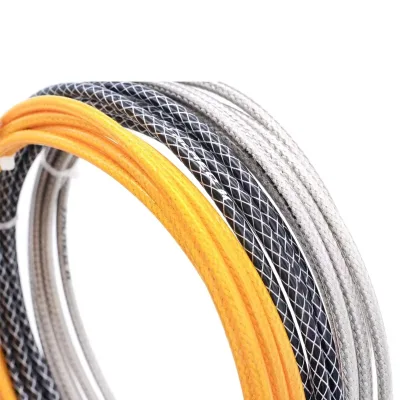
Comprehensive Sourcing Guide
Strategic Sourcing Guide for Mechanical Bicycle Brake Cables
Understanding Technical Specifications and Component Variability
When sourcing mechanical bicycle brake cables, buyers must navigate a landscape defined by distinct component categories and precise dimensional requirements. The market offers a diverse array of products ranging from complete cable sets to individual brake lines tailored for specific bicycle architectures. A primary observation in the current supply pool is the differentiation between cable sets designed for road bikes and those intended for mountain bikes (MTB). Technical data indicates that road bike rear brake cables often feature a length specification of 1.51700mm, whereas MTB front brake cables are frequently listed at 1.51100mm. This variance underscores the necessity for procurement teams to verify exact length requirements against the specific model of the bicycle they are servicing or manufacturing.
Furthermore, the material composition of these cables is a critical technical variable. While some listings specify galvanized steel as the primary material to ensure corrosion resistance, others indicate the use of aluminum or a composite of rubble and steel. The choice of material directly influences the cable's tensile strength, weight, and longevity. For instance, a product with a weight of 185g and a size of 149mm may represent a specific caliper brake assembly rather than a raw cable, highlighting the importance of distinguishing between the cable itself and the braking system components it serves. Buyers should also note that the "Working Way" for many of these components is identified as V-Brake, a friction wheel brake system that requires specific cable housing and liner compatibility. The application scope is broad, covering ordinary bicycles, mountain bikes, road bikes, and even kids' bikes, which necessitates a flexible sourcing strategy capable of handling multiple SKU variations.
Compliance, Certification, and Quality Assurance Protocols
In the B2B procurement of bicycle components, verifying compliance and certification status is paramount to mitigating supply chain risks. The available product data reveals that certain suppliers list ISO certification as a standard attribute, while others may reference specific codes such as ISOCE. However, the presence of a certification label does not automatically guarantee universal compliance with international safety standards for every unit in a batch. Buyers must treat certification claims as observations that require independent verification rather than absolute guarantees. The condition of the product is consistently listed as "New," which is a baseline expectation, but the specific testing protocols that validate this condition are not explicitly detailed in general listings.
When evaluating suppliers, procurement officers should request documentation that confirms the material integrity and safety standards. For example, if a product claims to be made of galvanized steel, the buyer should verify the thickness of the galvanization layer to ensure it meets the necessary anti-corrosion standards for outdoor use. Similarly, the "Condition: New" attribute should be backed by factory inspection reports. The supply chain also includes products with "Customized" attributes, which introduces a layer of complexity regarding quality control. Customization often implies changes to the standard manufacturing process, which can affect the consistency of the final product. Therefore, buyers must ensure that any customized order includes a rigorous quality assurance plan that aligns with the original product specifications. The presence of "ISO" in the certification field suggests a commitment to quality management systems, but the specific scope of this certification (e.g., ISO 9001 for quality management) should be confirmed to ensure it covers the specific manufacturing processes involved in brake cable production.
Cost Drivers and Pricing Dynamics in the Supply Chain
The pricing structure for mechanical bicycle brake cables is influenced by several dynamic factors, including material costs, customization levels, and order volume. The observed price range in the market spans from $0.02 to $16 USD, a wide spectrum that reflects the diversity of product types, from basic single cables to complete brake line systems. This variance indicates that cost is not solely a function of the raw material but also of the complexity of the assembly and the branding involved. For instance, products associated with specific brand names like "RISK" may command a different price point compared to generic unbranded items, even if the technical specifications are similar.
Minimum Order Quantity (MOQ) is another significant cost driver. The market data shows an MOQ range from 1 piece to 10,000 pieces. This flexibility allows buyers to scale their procurement based on immediate needs or long-term inventory strategies. However, the relationship between MOQ and unit price is often inverse; higher volumes typically result in lower per-unit costs due to economies of scale in production and shipping. Buyers should also consider the "Selling Units" attribute, which is often listed as "Single item," suggesting that while bulk pricing is available, the standard transaction unit may be a single piece. This can impact the logistics and administrative costs of the procurement process. Additionally, the availability of customization services can introduce variable costs. While customization is listed as "Available" for some products, it is marked as "Non-Customized" for others, indicating that the ability to tailor the product to specific requirements is a premium service that will affect the final cost.
Typical Applications and Market Segmentation
Mechanical bicycle brake cables serve a wide range of applications, necessitating a nuanced understanding of the target market segments. The product data explicitly lists applications for ordinary bicycles, mountain bikes, road bikes, and kids' bikes. This broad applicability means that a single supplier may not be able to meet all requirements, and buyers often need to source from multiple specialized vendors or those with diverse product lines. For example, the "Road Bike Rear Brake Cable" and "MTB Front Brake Cable" have distinct length specifications, suggesting that the engineering requirements for high-speed road cycling differ significantly from the durability needs of mountain biking.
The "Type" of brake system is another critical factor in segmentation. Many products are categorized as "V Brake (Friction Wheel Brake)," which is a common standard for mountain and hybrid bikes. However, the market also includes "Caliper Brake" components, which are typically used on road bikes. The "Installation Caliber" of 22.2mm is a specific dimension that buyers must match to their existing bicycle frames or new designs. Furthermore, the "Color" options, which include MTB Front, MTB Rear, Road Front, and Road Rear, indicate that aesthetic matching is a consideration for end-users, particularly in the consumer market. Buyers targeting the kids' bike segment must pay close attention to the "Used" attribute, which sometimes specifies "Sall Kids of Bike," ensuring that the components are appropriately sized and safe for younger riders.
Supplier Evaluation and Origin Verification
Evaluating suppliers for mechanical bicycle brake cables requires a thorough assessment of their geographic origins and production capabilities. The supply data indicates that products originate from specific regions in China, such as Fujian, Hebei, and Xingtai. These regions are known for their manufacturing clusters, but the specific location can impact lead times and shipping costs. For instance, products from "Fujian, China" may have different logistical profiles compared to those from "Hebei Xingtai." Buyers should verify the exact "Place of Origin" to ensure it aligns with their supply chain preferences and to anticipate potential shipping delays.
The "Brand Name" is another factor in supplier evaluation. While some products are branded (e.g., "RISK"), others are unbranded or generic. Branded products may offer better traceability and quality consistency, but they often come with a premium. Buyers should also look for "Customization" capabilities, as the ability to tailor products to specific needs can be a significant differentiator. The "Sample" availability is a crucial indicator of supplier reliability; suppliers that offer samples allow buyers to physically inspect the product quality before committing to a large order. Additionally, the "prod_packing" attribute, which ranges from "Carton" to "Packed by Cartons," provides insight into the supplier's packaging standards, which can affect the condition of the goods upon arrival.
Quality Control and Long-Term Procurement Strategies
Implementing a robust quality control (QC) strategy is essential for long-term success in sourcing mechanical bicycle brake cables. Given the wide range of materials, from galvanized steel to aluminum and composite mixes, buyers must establish clear QC criteria that address material consistency, dimensional accuracy, and functional performance. The "Feature" of "Durable" is a common claim, but it must be validated through rigorous testing. Buyers should request test reports that demonstrate the cable's tensile strength, fatigue resistance, and corrosion resistance under various conditions.
Long-term procurement considerations also involve building a resilient supply chain. The "Customization" attribute suggests that suppliers are willing to adapt to changing market demands, which is a positive sign for long-term partnerships. However, buyers should also consider the "Standard" attributes, such as the "55cm" specification mentioned in some listings, to ensure that the products meet industry norms. The "Length" and "Diameter" specifications, which are often listed as "Customized" or "According to The Requirements," highlight the need for clear communication between the buyer and the supplier to avoid misunderstandings. Finally, the "Condition" of the product being "New" should be maintained through regular audits and inspections, ensuring that the supply chain remains reliable and that the end-users receive high-quality components. By focusing on these key areas, buyers can secure a steady supply of mechanical bicycle brake cables that meet their specific technical and commercial requirements.
FAQs
What are the standard lengths for road bike rear brake cables?
Road bike rear brake cables typically have a length specification of 1.5*1700mm. This dimension is distinct from MTB front cables which are often 1.5*1100mm, so buyers must verify the specific bicycle model requirements before ordering.
Which materials are commonly used for these brake cables?
Common materials include galvanized steel, aluminum, and composite mixes of rubble and steel. The choice of material influences tensile strength and corrosion resistance, with galvanized steel being a frequent selection for durability.
Can I find brake cables compatible with V-Brake systems?
Yes, many products are designed specifically for V-Brake friction wheel systems. These components often feature an installation caliber of 22.2mm and are suitable for ordinary, mountain, and road bikes requiring this specific braking architecture.
What is the minimum order quantity for purchasing these cables?
The minimum order quantity ranges from 1 piece to 10,000 pieces depending on the supplier. This flexibility allows buyers to start with small single-item orders or scale up to large bulk purchases for inventory needs.
Are customization options available for these brake cable products?
Customization is available for some products while others are listed as non-customized. Buyers seeking specific lengths or diameters should verify if the supplier offers tailored manufacturing services before placing a large order.
Where are these mechanical brake cables typically manufactured?
Products originate from manufacturing clusters in Fujian and Hebei, China, specifically Xingtai. Knowing the place of origin helps in estimating shipping times and understanding the logistical profile of the supply chain.